
Robotic Mowers are becoming popular as the world of AI and Robots continues to evolve. They are a great addition to Smart Homes. Similar to how the dishwasher became essential in homes today. It is only a matter of time before all homes in the USA have one. City Parks are even using them to cut their grass! How cool is that!
*I am an Amazon Affiliate and receive commission from sales using Amazon links*
Recommendations:
Below are some options that I currently own and approve of:
Husqvarna
- Fancy Option
- GPS Theft Protection
- Dual Mowing Areas
Redkey MGC1000
- Affordable Option
- Password Protection
- Easy to Use
What is a robot lawn mower?
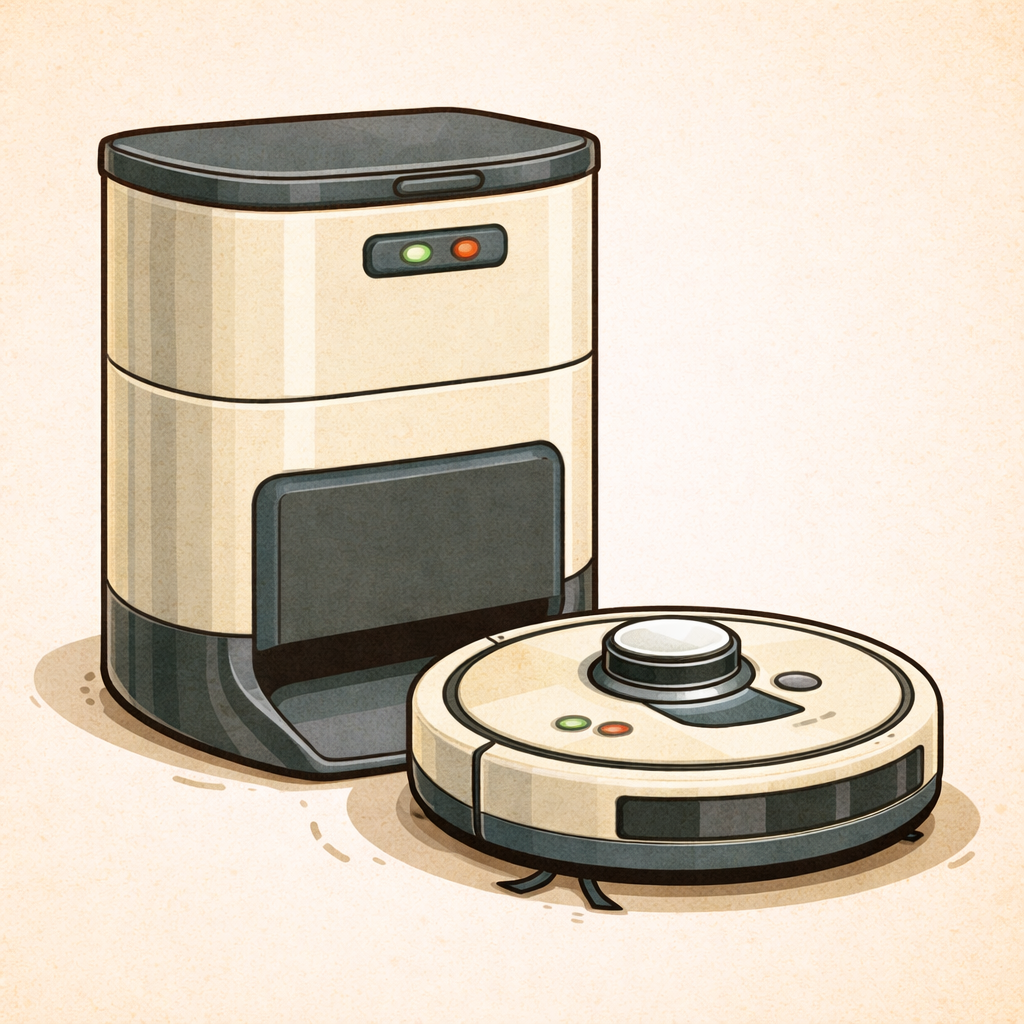
A Robot Lawnmower is similar to robot vacuums except for the yard. It can help reduce the amount of time spent each week tending to it and they are great for most smart home and most suburban lawns. From receiving notifications to creating work schedules – everybody should look into their options on obtaining one for themselves.
You can say goodbye to the laborious task of mowing the lawn yourself. Say goodbye to: Mosquitoes. Purchasing fuel. Heat exhaustion. Dehydration. Sunburns. Allergies. regular maintenanceon your gas Lawn Mower and other issues that come with mowing. Instead you can devote the time saved for other important tasks. I gladly spend time saved cleaning my house or making home repairs, reading books, working on computers, or other similar tasks.

Pros & Cons:
I feel that it is important to cover the good and the bad for all products. It is rare that a product does not have a con even if it is not obvious.
- Pros:
- Robotic Lawn Mowers help Saves Time & Energy
- Low Noise Levels! I hear my neighbors gas mower and rarely hear mine.
- Can mow your lawn on a schedule.
- Low Maintenance: No fuel, no oil, no oil filters.
- Great for a small yard and even medium sized yards.
- Cons:
- Robot lawn mowers cost is still high – Though worth the price!
- Mowers have difficulty with yards with rough terrain.
- Cannot sense weird obstacles such as twigs, small rocks, cords, small animals.
- Keep out of weather as this can be an expensive mistake.
Brand:
When choosing a robot lawn mower, selecting a reputable and established brand is crucial. My first Robot Lawnmower was an AYI and it performed exceptionally well. However, the company went out of business not long after I purchased it for $700. Without ongoing support or access to parts, even a great product can become a headache. To avoid this, steer clear of lesser-known or short-lived brands. Instead, opt for a brand with a proven track record and solid customer support to ensure long-term satisfaction and peace of mind.

Before each use:
Ensure that you check the area in which the mower will be cutting. This is to ensure there are no twigs or small critters. I found a baby bird that fell out of its nest during one of my checks. I was able to postpone my robot from cutting my grass till it moved to a safe location. One day even this will be automated.

Types of Yards:
Robot Lawn Mowers are great for yards that are flat and level. If there are too many holes in the yard then the mower may get stuck often and if the slope in the yard is too high for the mower then it will not be able to mow. If your yard has a slope then ensure to check that the robot lawn mower can handle that slope. However, some slopes will be too great for all robot lawn mowers on the market at the time of writing this article.
Yards that are not broken up are usually great. This is because they are usually one complete patch of grass without a driveway that divides it into sections, like most front yards.
If your lawn is extremely small and broken into many parts then it may not be worth having one. This is because you would have to set the perimeter wire in each patch of grass and then move the Home to each section of grass to mow. It just would not be worth the time for yards like this.
Perimeter or Boundary wire:
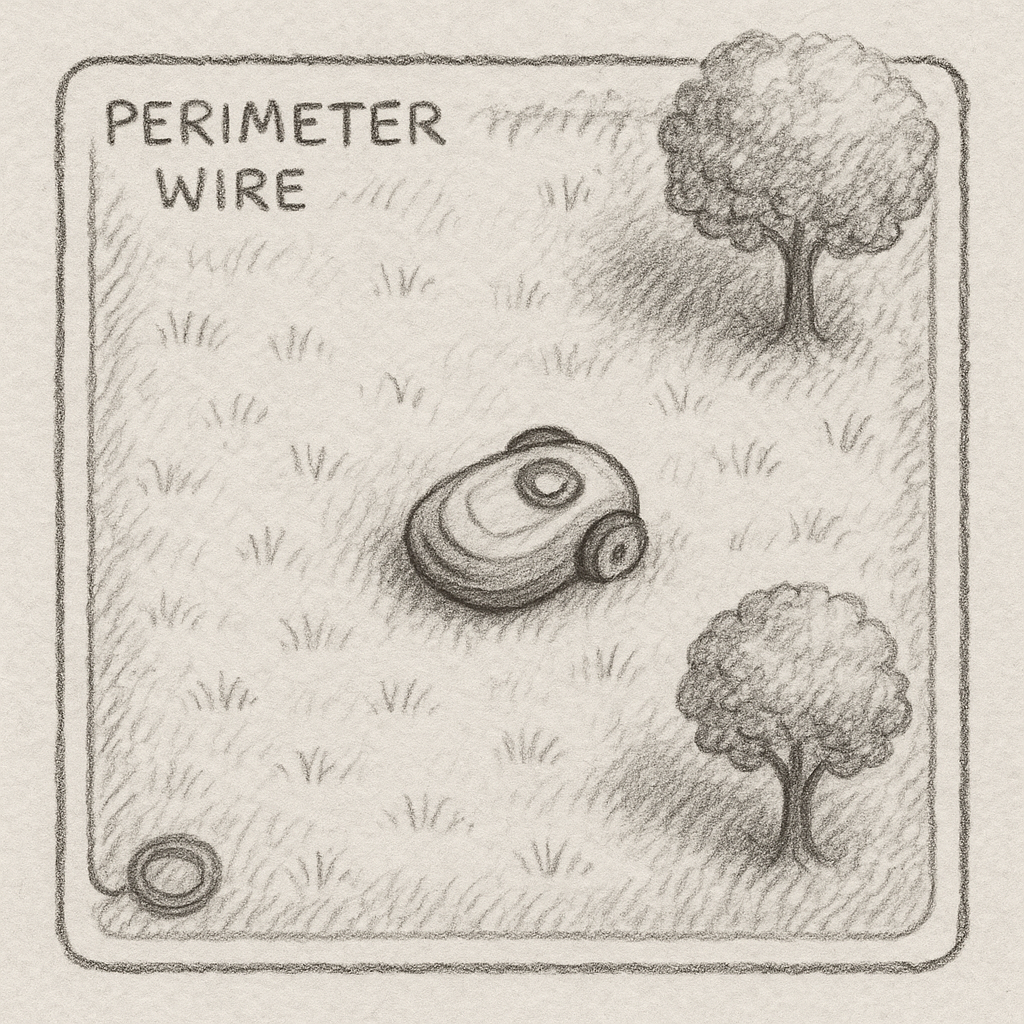
Many robot mowers require a Perimeter wire set up to determine the mowing area. It works by creating a boundary around the edge your lawn that the robot mower can then detect and use as a guide to staying within the designated area. This helps to ensure that Robotic Mowers does not navigate outside of your desired area, making it more efficient and secure. Also, many Robotic Lawn Mowers use the wire as a track so that the mower can return to the charging station all on its own.
Installing the Boundary Wire:
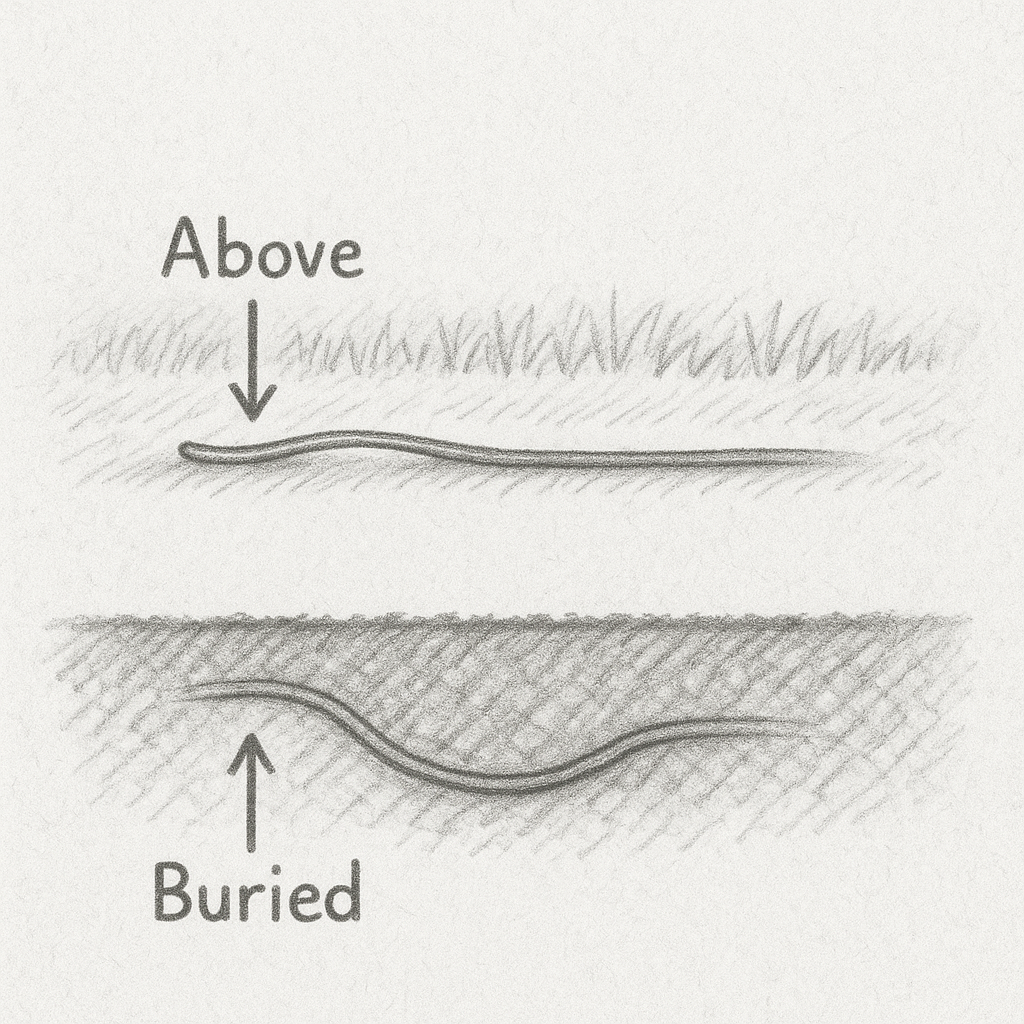
Each system will be different so be sure to read the instructions. But, there are two different ways to install the boundary wire: Above ground and under ground. In short installing the wire underground is much better than above ground.
Above Ground Install:
Installing the perimeter wire above ground may save you time during the initial install but this method is not worth it. Before you install the wire above ground you need to first mow the grass really short. This will help ensure that the wire is not pushed up by grass. If the wire is not as flat to the ground as possible and taught by using the ground stakes then the wire will get caught up in the lawn mowers blades and will cut the wire. This will force the owner to then splice the wire and the more splices in the perimeter wire the greater the chances of a disconnect forcing the owner to attempt to find the disconnect in the wire to fix it. This can become very time consuming.
Underground:
Installing the perimeter wire under ground will take more time during the initial install but is a much better method than staking the wire to the ground. This is because by burring the wire under ground you help protect the wire from becoming cut so the perimeter wire can stay as one long piece of wire that does not have any cuts in it. You will need a shovel and possibly a buddy to help bury the wire. Be sure to install the wire about a foot away from any obstacles (such as the fence line or driveway) as many robot lawn mowers will use the wire to return to the charging base.
Sensitive Obstacles:
At this time robot lawn mowers are not very smart and will attempt to mow everywhere within the wire perimeter. However, there may be some places that the robot does not need to go such as: Under a raised shed, in a flower garden, near a propane tank, ect. To stop the robot from accessing these locations you can install the perimeter wire in a way to stop this. Or my preferred method, simply place large rocks as a barrier around such objects or locations.
GPS:
GPS protection in robot lawn mowers involves multiple layers of technology to enhance accuracy, prevent theft, and ensure safe operation. Advanced models use real-time GPS tracking to monitor the mower’s location within the boundaries of the yard, reducing the risk of it wandering off-course. Many systems include geofencing, which alerts the user if the mower leaves its designated area, and some even trigger automatic shutdowns. Anti-theft features often combine GPS with alarms and app-based tracking, allowing owners to locate a stolen mower quickly. Additionally, GPS data can optimize mowing paths and coverage, making the mower more efficient while avoiding obstacles and sensitive areas.
Check your model to verify its features before purchasing.
Password Protection:
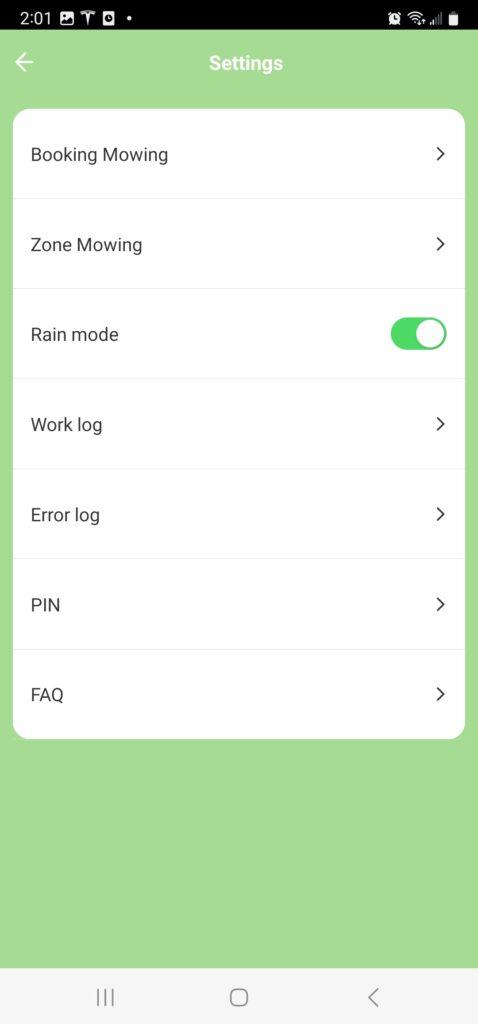
Many Robot lawn mowers only have a password for protection which is required anytime the panel on the mower is accessed. The password is a basic pin code and will help ensure that if this unit is stolen that it cannot be used by others.
Phone App:
Most robot lawn mowers will have a Phone App provided by the company. They provides a simple, and powerful, method to control the mower. From Starting to stopping the mower and in-between.
The app will also receive messages such as when rain is sensed or when the unit is stuck. Current battery charge percentage. Command the Mower to return to the charging station. Set/Change a mowing schedule. Check for Updates and more. Below are some photos of the phone app that my mower uses.
Guest Access:
When you have a house sitter make sure you create them a guest account to your robotic mowers. The phone app allows for guests to control robot mowers by using their own phone app. Some robot lawn mowers may not have this option.
Mowing Schedule:
Most Mowers will allow for Scheduled Mowing to be set up by using the phone app. The mowing schedule can even be set up to mow the lawn every day if desired.
Tip: Ensure robotic lawn mower App works with your phone:
Some robot lawn mowers do not have apps that function well with certain cellphone brands. In my experience I had a robot lawn mower that the phone app did not work with my Samsung Note+. I ended up returning that unit due to other issues that could not be resolved.
Weather:
All of the robot lawn mowers that I have read up on state that they are Weather proof. This is actually not true in some cases. I purchased a robot lawn mower that had the charging contacts exposed to the weather outside. During a heavy storm the charging contacts got too wet and fried the robot lawn mower even though its description said that the unit was water proof. From now on I will ensure my robotic mowers are always protected so that they will not get wet during a storm. Whether it’s under my porch or under a dedicated roof.
Freezing Temperatures:
Freezing temperatures can damage a robot lawn mower’s battery, electronics, and plastic components. As temperatures drop, the internal battery may lose capacity or even fail if left outside for extended periods. To protect your mower during the winter months, it’s important to bring it indoors or store it in a dry, insulated space like a garage or shed. Clean the mower before storage to prevent rust or corrosion. Proper winter storage helps extend the life of your mower and ensures it’s ready for use when spring arrives.
Rain sensor:
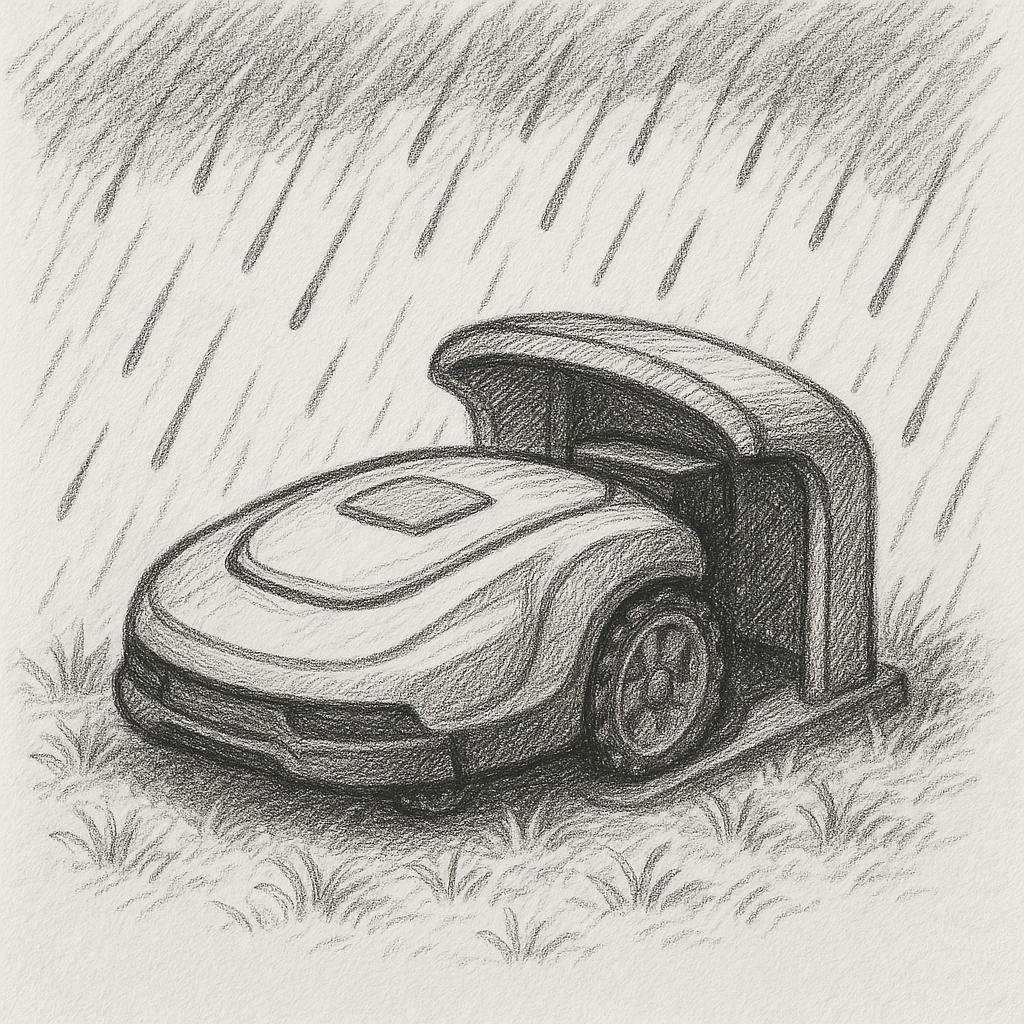
A robot lawn mower’s rain sensor is designed to detect moisture or rainfall, helping the mower avoid operating in wet conditions. When the sensor detects rain, it sends a signal to the mower to either delay its scheduled mowing or return to its charging station if it’s already in operation. This feature helps protect the mower’s internal components from water damage and prevents it from cutting wet grass, which can clog the blades and result in uneven mowing. By avoiding wet weather, the rain sensor extends the mower’s lifespan and ensures optimal cutting performance.
Bumper sensor:
The bumper sensor ensures that the mower stops if it encounters an obstacle – Ensure all obstacles in the mowing perimeter are either solid or protected via heavy obstacles such as rocks. In my case, I have a propane tank that I use rocks to protect the hose entering the ground. Otherwise, the Robotic Mower would bump against it and that would make me nervous.
Each lawn will be different so be sure to take a look around your yard to identify possible issues that it may have when it bumps into things. Check for any pipes, tree roots, small rocks, or other similar obstacles that could be caught in the blade.
Lift and Tilt Sensors:
The lift sensor is designed to detect when the mower has been lifted off the ground, which helps to prevent people from coming into contact with the grass blades for safety purposes. The lift sensor also detects if the Robotic Mower is stuck in soft dirt or if there is an obstacle that is tangled in the wheels causing it to pause until the obstacle is cleared. The mower will then notify you via app notification.
Be sure to check you yard for any holes, dips, or soft dirt that could prove difficult terrain for the Robotic Mower. I have had a gopher dig up my yard at one point and the Lawn Mower got suck on one of the piles of dirt.
Mowing Patterns: Spiral Mowing, Edge Cut, Random.
Mowing patterns in robot lawn mowers refer to the way the mower navigates and cuts the lawn, and they can vary depending on the model and settings. Some mowers use a random pattern, bouncing around in different directions to eventually cover the entire area, which works well for simple, open spaces. More advanced models use systematic or GPS-guided patterns, moving in straight lines or grids for a more efficient and uniform cut. These patterns reduce overlap, save battery life, and give the lawn a cleaner appearance. Choosing the right mowing pattern can improve both the performance of the mower and the health of the grass.
Cutting blades:
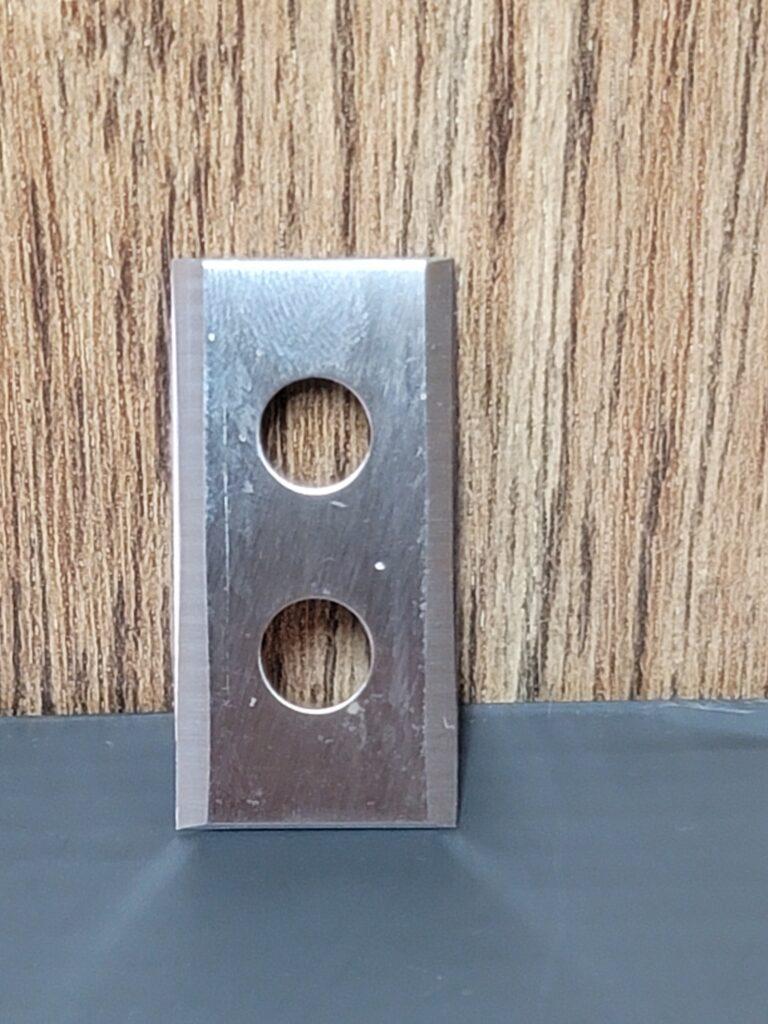
Most Robot Lawn Mowers comes with blades (See Photo) that are easy to install and replace. They are pivoting razor blades attached to a cutting disc on the bottom. Each blade takes one screw to mount – making maintenance a breeze. The blades are also relatively inexpensive, so you won’t have to break the bank when replacing them.
Cut Height:
Most Robot Lawn Mowers should allow for users to adjust the height they cut grass at. Some have an auto adjust feature where, if enabled, they will adjust the cut height on its own.
Subscribe to Our Newsletter!
Stay up to date with new books, AI & Robot News, and more!
Subscribing is treated seperate from Customer Accounts.


About Projects with Jackie!
As the Family Nerd, my goal is to help non-techie people learn, and find, the tech that they need. We do this by providing as much information as we can from a Nerdy standpoint. This includes common issues seen with family and friends.